Strata Painters Sydney: Everything the Committee Needs to Know Before Painting
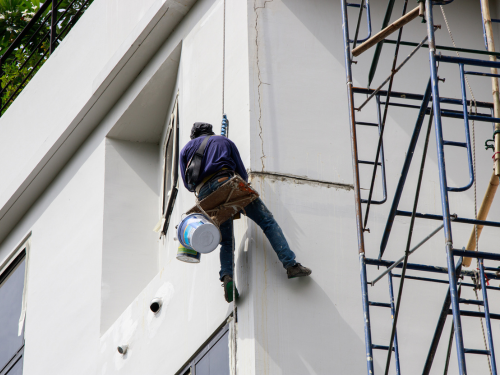
If you've ever sat on a strata committee in Sydney, you know the painting debate well. Someone brings up the peeling paint on Level 4. Another owner mentions the exterior hasn't been touched in eight years. The treasurer pulls out the capital works fund balance, and suddenly everyone has an opinion about colours, contractors, and cost.
Strata painting is emotionally charged because it affects every owner's property value, every resident's daily experience, and the strata scheme's budget in one go. It's also genuinely complex — more so than most people on the committee realise until they're in the middle of it.
This guide is for strata committees, strata managers, and building owners who want to understand the full picture before they start the tender process.
Who's Responsible for What in a Strata Scheme
Before you can plan a painting program, you need to understand what the owners corporation (OC) is actually responsible for painting. This varies depending on the strata scheme's by-laws and the age of the building, but as a general rule:
The owners corporation is responsible for common property — exterior walls, common area interiors (lobbies, corridors, stairwells, car parks), shared facilities, and the building envelope. Individual lot owners are responsible for the interior of their own lots.
There are grey areas. The inside of a common property balcony wall, for example, may be technically common property but practically only accessible from a private lot. Your strata manager can clarify the boundaries for your specific scheme based on your registered plan.
Capital Works Planning and the 10-Year Fund
In NSW, strata schemes with more than three lots are required to have a 10-year capital works fund plan (formerly sinking fund) that accounts for major maintenance items — including painting. If your scheme's 10-year plan doesn't have a realistic painting budget, or if it was prepared years ago and hasn't been updated, you may be heading for a levy special assessment when the painting can no longer be deferred.
A professional strata painter can provide condition reports and cost estimates that feed into your capital works plan. Getting this done proactively — before the paint visibly fails — means the committee can plan, save, and tender properly rather than making rushed decisions under pressure.
The Tender Process for Strata Painting
For most strata schemes, a painting contract above a certain value requires at least two or three competitive quotes (check your scheme's by-laws and the strata management agreement for the specific threshold). Here's how to run a proper tender process:
Prepare a scope of works document: Don't just ask painters to quote on "painting the building." Write a detailed scope that describes every surface to be painted, the preparation required, the number of coats, and the product specification (or ask for the painter's recommendation). Consistent scope means comparable quotes.
Invite licensed, insured contractors only: Every painter who tenders for a strata job in NSW must hold a current contractor licence. Check this on the NSW Fair Trading licence register before inviting them to quote. Minimum $20M public liability insurance is standard for strata work.
Visit the site together: Have all tenderers walk the building at the same time, so they're quoting on the same information. This reduces the risk of scope gaps that lead to variations later.
Compare quotes properly: Look at what each quote includes. Does it include full surface prep? How many coats? What products? Is scaffolding included? A quote that's 30% cheaper might be excluding items that the more expensive quotes include.
Colour Decisions in Strata
Colour selection in a strata scheme is genuinely difficult. You're trying to find a palette that most owners will accept, that suits the building's architecture, and that will look good for the next 8–10 years. Colour trends move on. What looked modern in 2015 might look dated by 2025.
A few practical tips:
Get colour presentations prepared by your painter or by a colour consultant. Seeing actual colour chips on the actual building at different times of day is far more reliable than looking at paint swatches in a committee room.
Lighter neutrals tend to age better and photograph better, which matters for property values. Strong accent colours can look great when they're fresh but become polarising as they fade.
Any colour change that materially alters the building's appearance may require a general meeting resolution rather than just a committee decision. Check your by-laws and the Strata Schemes Management Act 2015.
Working in an Occupied Building
This is where a lot of strata painting projects go wrong. A multi-storey residential building in Sydney is full of people during the day — retirees, parents with young children, people working from home. Scaffolding, noise, paint fumes, and contractors moving through common areas cause genuine disruption if not managed carefully.
A good strata painter will provide a detailed communication plan — letterbox drops, email updates, and clear signage telling residents what's happening, where, and for how long. They'll work with the building manager to manage access to individual lot balconies respectfully. And they'll deal with complaints professionally rather than ignoring them.
Ask any strata painter you're considering how they handled their last major strata project. Ask for the strata manager's contact details as a reference. The way a painting company treats residents during a project tells you a lot about how they'll treat your building and your committee.
Waterproofing and Rectification Work
On older Sydney strata buildings especially, a painting project often uncovers other problems — failed waterproofing, cracked render, rust-stained concrete from corroding reinforcement. A good strata painter will flag these issues early and provide options for rectification before the paint goes on.
Painting over a waterproofing failure is not a solution. It's a very expensive mistake. The paint will fail in the same spot within months, and the underlying problem will continue to worsen. Make sure your scope of works includes provision for minor remediation work, and make sure your contract has a process for identifying and pricing additional rectification work before it's carried out.
After the Painting Is Done
Once the scaffolding comes down and the final inspection is signed off, keep the documentation. Paint specification records, product data sheets, warranty certificates, and condition photos should all be filed in the building's maintenance records. When the next committee revisits painting in eight years, these records will be invaluable.
Planning a strata painting project in Sydney?
We work with strata committees, building managers, and strata managers across greater Sydney to deliver painting projects that run on time, stay on budget, and leave residents satisfied. Call us on 0424 125 125 for a no-obligation consultation and quote.
Get a Strata Painting QuoteShare this article: