Exterior Painters Sydney: Protecting Your Property in One of Australia's Harshest Climates
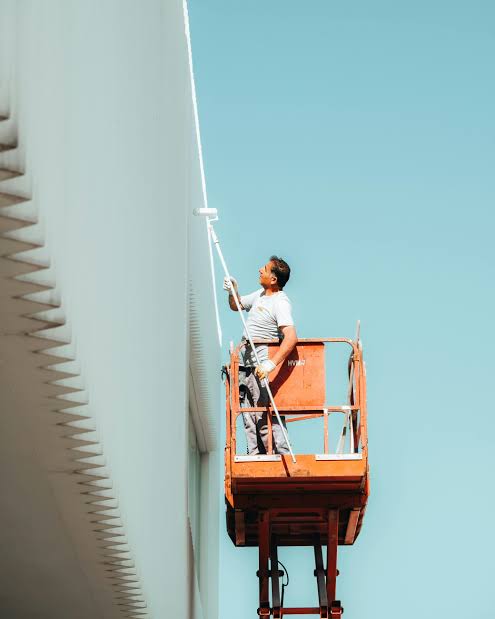
Think about what the exterior of a Sydney home faces over a typical year. Months of high UV radiation that breaks down paint polymers and causes fading and chalking. Summer storms that drive wind-borne moisture into every gap and crack. For coastal properties, a constant salt air that accelerates metal corrosion and attacks paint adhesion. In western Sydney, extreme heat cycles that cause cladding and render to expand and contract, stressing the paint film.
A good exterior paint job is not decoration. It's a protective barrier between your building envelope and everything the Sydney climate throws at it. When that barrier is thin, poorly applied, or past its service life, moisture gets in — and moisture in a building leads to problems that are far more expensive than repainting.
The Sydney Climate Factor
Sydney's position on the eastern seaboard gives it a genuinely demanding exterior painting environment. The UV index regularly hits extreme levels from October through March. The coastal strip from Cronulla to Palm Beach faces salt-laden air that accelerates corrosion on any metal element — window frames, flashings, fixings — and challenges the adhesion of paint films that aren't formulated for marine exposure.
The western suburbs face different challenges. Summer temperatures regularly exceed 40°C, creating significant thermal movement in masonry and metal cladding. Paint systems that can handle this thermal cycling are different from those specified for coastal applications. A good exterior painter in Sydney understands these microclimatic differences and specifies accordingly.
What's Actually Involved in an Exterior Paint Job
Here's a realistic breakdown of what a thorough exterior painting project on a Sydney home involves:
Day 1: Pressure washing. The entire exterior is washed at high pressure to remove dirt, mould, algae, salt deposits, and loose paint. On older homes, this can reveal surface defects that weren't visible under the dirt.
Day 2: Scraping, sanding, and surface repairs. Any paint that didn't survive the wash (because it was already failing) is scraped back. All cracks and gaps are filled with appropriate fillers. Timber that's showing signs of weathering is sanded back. Caulking is replaced around windows, doors, and any penetrations in the building envelope.
Day 3: Priming. Bare patches and repaired areas get a suitable primer. On masonry, this might be an alkali-resistant primer. On bare timber, a wood primer specifically formulated to penetrate the grain and provide a stable base.
Day 4–5: Topcoats. Usually two coats of a premium exterior paint — Dulux Weathershield, Taubmans Endure Exterior, or equivalent — applied by brush, roller, and spray as required for different surfaces. The full dry and recoat times specified by the manufacturer need to be respected.
Day 6: Trim and details. Fascias, bargeboards, window frames, downpipes, and any feature elements painted in the appropriate product (typically a gloss or semi-gloss enamel on timber trim).
Product Selection for Sydney's Exterior
Not all exterior paints are equal, and the difference between a premium and a budget product is particularly significant in Sydney's demanding climate.
For rendered masonry (the most common exterior surface in Sydney), look for a flexible, acrylic-based exterior paint with good UV resistance and water beading properties. Products with a dirt-resistance technology help the surface stay cleaner between repaints.
For timber weatherboards — still common in Sydney's older suburbs — a penetrating oil-based or a high-flexibility acrylic is required. Timber expands and contracts significantly with temperature and moisture changes, and a rigid paint system will crack and fail quickly.
For fibrous cement cladding (Hardiplank, Scyon, etc.), a 100% acrylic exterior paint with good breathability is the standard specification. These substrates absorb moisture from the inside when wet, and a paint that doesn't breathe can trap this moisture and cause delamination.
Colour Selection for Exteriors in Sydney
Exterior colour selection in Sydney is influenced by more than personal preference. Council regulations in some areas (particularly heritage precincts in suburbs like Glebe, Balmain, Newtown, and Hunters Hill) restrict the colours you can use on exterior walls and trim. Check with your local council before committing to a colour scheme.
For energy efficiency, lighter exterior colours reflect more heat, keeping homes cooler in summer — a real consideration in Sydney's climate. Very dark colours on roofs and walls can significantly increase cooling loads. If you're choosing a dark scheme for aesthetic reasons, it's worth discussing the thermal implications with your painter.
When to Repaint
Sydney exterior paint jobs typically last 7–12 years, depending on the quality of the original job, the product used, and the exposure. Signs that it's time to repaint:
Chalking — when you run your finger along the wall and a white powder comes off, the paint's pigment binders have broken down. The surface is no longer providing adequate protection.
Cracking and peeling — particularly around windows, at corners, and where the building envelope meets the ground. These areas collect water and are the first to fail.
Fading — significant colour change, particularly on north-facing surfaces. This indicates the UV resistance of the paint system is exhausted.
Mould or algae growth — visible biological growth is a sign of moisture management issues. A repaint with mould-resistant products is part of the solution, but the moisture source needs to be identified and addressed first.
Is your Sydney home ready for a new exterior paint job?
We know Sydney's exterior painting conditions inside out. Premium products, thorough prep, and a result that protects your home and looks great doing it. Call 0424 125 125 for a free exterior painting quote.
Get an Exterior Painting QuoteShare this article: